Home / How It Works
How Slim Boost Tea Works
Slim Boost Tea works as a daily herbal tea habit: brew and drink about three cups while focusing on protein-forward meals, movement, sleep, and hydration. The blend combines green tea, oolong, and complementary botanicals for metabolism-support and digestion-comfort lifestyle use — not a guaranteed fat-melt formula.
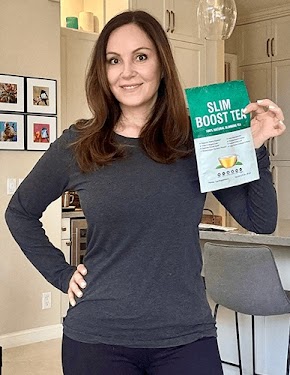
Curious how Slim Boost Tea works? The honest answer is that it combines green tea and oolong catechins with soothing herbs to make a daily routine easier to keep. Here is the mechanism in measured, realistic terms.
The soft mechanism behind the blend
Slim Boost Tea does not rely on a single “magic” ingredient. Instead, it combines two well-known tea types with supporting botanicals. Green tea contains catechins, a family of plant polyphenols that have been studied for their role in everyday metabolic wellness. Oolong tea is partially oxidized, sitting between green and black tea in flavor, and is often enjoyed as part of active routines. Together they provide the backbone of the blend.
Around that backbone sit ginger, peppermint, fennel, lemongrass, orange peel, cinnamon, and other herbs that people have traditionally brewed after meals. The goal is a tea that tastes good enough to drink three times a day — because consistency, not intensity, is what changes habits.
Tea base
Green tea and Wuyi oolong supply catechins and a gentle amount of natural caffeine for daytime alertness.
Digestive herbs
Ginger, peppermint, fennel, and lemongrass are classic after-meal herbs used for comfort.
Flavor layer
Lemon, mint, orange peel, cinnamon, and monk fruit make each cup pleasant without refined sugar.
Why the routine is about 3 cups a day
The featured offer suggests roughly three cups daily. Spreading the tea across the day does a few practical things: it adds up to a meaningful amount of fluid, it creates anchor points for mindful pauses, and it keeps caffeine intake gentler than one very strong serving. The structure is part of the design.
- Morning cup: pair it with a protein-forward breakfast instead of a sweetened coffee drink.
- Midday cup: use it as a warm break that replaces a soda or a mid-afternoon sugar craving.
- Late-afternoon cup: finish early enough that caffeine does not interfere with sleep; many people skip any cup within several hours of bedtime.
Keep expectations soft. Marketing pages sometimes describe enzyme stories or rapid fat-melting. A more honest frame is that catechin-rich teas and aromatic herbs can make a healthier routine easier to follow. They are not a replacement for nutrition, activity, or medical guidance. Individual results vary, and lifestyle habits still matter most.
What you can do to help the tea along
Think of the tea as one small piece of a larger system. These supporting habits tend to matter more than any single beverage:
Protein and fiber
Building meals around protein, vegetables, and fiber helps you feel satisfied between cups.
Daily movement
Walking after meals or short strength sessions complement a tea routine well.
Sleep quality
Seven to nine hours supports appetite regulation and next-day energy.
Hydration
Alternate tea with plain water so you are not relying on caffeinated drinks alone.
Cautions worth reading first
The blend includes senna leaf, a stimulant herb traditionally used for occasional digestive support, and it contains caffeine from tea leaves. Anyone who is pregnant, nursing, managing a GI condition, or taking medications should speak with a healthcare professional before starting. If you notice cramping, loose stools, jitteriness, or trouble sleeping, reduce your servings or stop and seek advice. The how-to-use guide covers preparation and precautions in more detail.