Home / Ingredients
Slim Boost Tea Ingredients
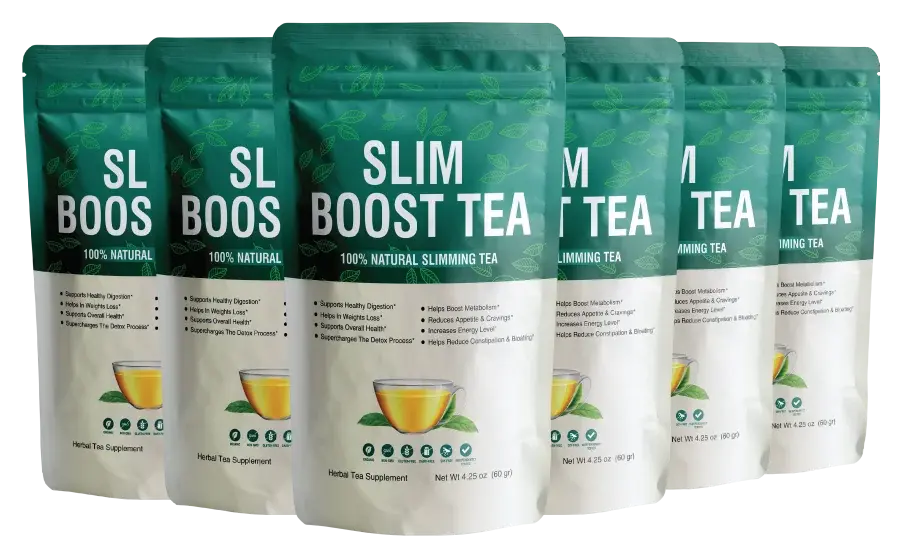
Each Slim Boost Tea pouch blends 14 botanicals plus natural lemon and mint flavor. Key names include Costa Rican green tea, Wuyi oolong, Kerala garcinia cambogia, and ginger — positioned for metabolism support and digestion comfort, not disease treatment.
This guide walks through the Slim Boost Tea ingredients, how the botanicals group together, which cautions matter, and how to read the label on your own package.
Why the ingredient list matters
Anyone researching an herbal tea should start with the label. The Slim Boost Tea ingredient list is long compared with a basic green tea bag, which is part of its identity: fourteen named botanicals plus natural lemon and mint flavor, blended to taste pleasant and fit a daily wellness routine. Understanding what each plant is traditionally used for helps you set realistic expectations and spot anything that does not suit you.
The ingredients, grouped by role
Rather than memorizing fourteen names, it helps to think in groups. Each group serves a purpose in the cup.
Tea base
Costa Rican green tea and Wuyi oolong provide catechins, natural caffeine, and the classic tea character of the blend.
Digestive herbs
Ginger, peppermint, fennel, lemongrass, licorice root, and dandelion leaf are traditional comfort herbs.
Citrus and spice
Orange peel, Ceylon cinnamon, and natural lemon-mint flavor add aroma, warmth, and brightness.
Botanical extras
Garcinia cambogia, Korean ginseng, monk fruit, and Indian senna complete the formula with distinct roles.
Ingredient-by-ingredient overview
Always read the label on your own shipment. Below is an educational overview aligned with the official marketing ingredient list.
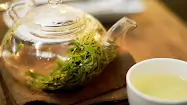
Costa Rican Green Tea
A classic green tea traditionally enjoyed for everyday vitality and metabolic wellness support.
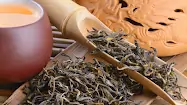
Wuyi Oolong Tea
A partially oxidized tea often included in lifestyle blends that support active daily routines.
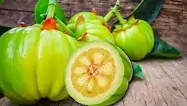
Kerala Garcinia Cambogia
A fruit extract commonly used in weight-management formulas for appetite-awareness support.
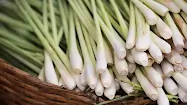
Indonesian Lemongrass
A citrusy herb traditionally used for refreshing flavor and digestion comfort.
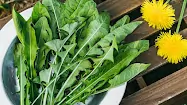
European Dandelion Leaves
A botanical often used in herbal teas for gentle digestion and fluid-balance wellness.
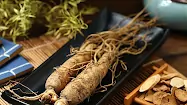
Korean Ginseng Root
A well-known adaptogenic root traditionally associated with everyday energy support.

Indian Senna Leaves
Included for gentle digestion support. Use as directed; ask a clinician if you have GI conditions, are pregnant/nursing, or take medications.
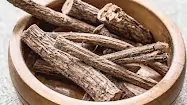
Licorice Root
A traditional herbal root used for soothing flavor and digestive comfort in tea blends.
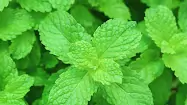
Peppermint
A refreshing herb commonly used to support comfortable digestion after meals.

Mediterranean Orange Peel
Citrus peel adds aroma and is often used in wellness teas for fullness-friendly flavor.
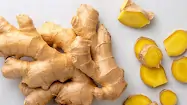
Ginger
A warming spice traditionally used for digestion comfort and steady energy habits.
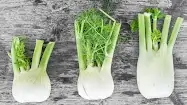
Fennel Fruit
A classic herbal seed used to support digestion comfort and after-meal ease.

Monk Fruit
A naturally sweet plant extract used to round out flavor without added refined sugar.

Ceylon Cinnamon Bark
A warm spice frequently paired with metabolism-support lifestyle routines.
Cautions: senna, caffeine, and sensitivities
Two points deserve extra attention. First, Indian senna leaf is a stimulant herb used for occasional digestive support. It is not meant for unrestricted long-term use, so do not exceed the serving size and speak with a clinician if you have a GI condition. Second, green tea, oolong, and ginseng can be stimulating for caffeine-sensitive people. Licorice root can also matter for those managing blood pressure, and garcinia is sometimes discussed with respect to medication interactions.
If you are pregnant, nursing, scheduled for surgery, or taking prescription medicines, check with a healthcare professional before using any herbal blend, including this one.
Soft-claim reminder: traditional use describes how cultures have enjoyed these plants, not proven medical outcomes. Slim Boost Tea is not intended to diagnose, treat, cure, or prevent any disease, and results vary.
How to read the label like a pro
- Check the ingredient order. Items are generally listed by amount, so the first entries make up more of the blend.
- Look for allergens. Plant-based teas can still trigger sensitivities, especially for those allergic to ragweed-family plants or citrus.
- Compare formulas. Different versions of herbal teas may omit or add senna, so match the label to what you have read here.
- Verify the serving size and directions. Follow package instructions rather than assuming a number of cups.
- Note lot and expiration information printed on the package for quality tracking.
For brewing tips, see how to use; for context on the daily routine, visit how it works.
Pouches, flavor, and sweetness
The tea ships in pouch form, so each serving is pre-portioned. The natural lemon and mint flavor makes the cup refreshing, and monk fruit adds gentle sweetness without refined sugar. That combination is one reason people find the blend easier to drink three times a day than plain herbal infusions.